Upper Cervical Alignment and Chronic Headaches in Salt Lake City: What You Should Know


Headaches are one of the most common complaints among adults in Salt Lake City.
For some, they’re occasional.For others, they’re chronic, recurring, and disruptive.
Many people assume headaches are simply caused by stress, dehydration, or lack of sleep. While those factors can contribute, a less discussed but highly influential factor is upper cervical spinal alignment.
The upper cervical spine — the top two vertebrae in the neck — plays a crucial role in nervous system communication, posture, and head positioning.
Understanding how this area functions may help explain why some headaches persist despite medication and lifestyle adjustments.
What Is the Upper Cervical Spine?
The upper cervical spine consists of:
C1 (Atlas)
C2 (Axis)
These vertebrae:
Support the weight of the head
Allow rotation and nodding movement
Protect the brainstem
Influence neurological signaling
Unlike other vertebrae, C1 and C2 have unique shapes and mobility patterns.
Because of this, even subtle misalignments in this region can influence muscle tension and nerve sensitivity.
How Upper Cervical Misalignment Can Contribute to Headaches
When the upper cervical spine loses proper motion or alignment, several things may occur:
Increased muscle tension in the neck
Irritation of surrounding nerves
Restricted blood flow dynamics
Compensatory postural strain
Increased pressure at the base of the skull
These factors can contribute to:
Tension headaches
Cervicogenic headaches
Headaches that start at the base of the skull
Pain radiating behind the eyes
Many Salt Lake City residents with desk-heavy jobs develop forward head posture, placing additional strain on the upper cervical region.
If you're unfamiliar with how spinal alignment influences the nervous system, reviewing how chiropractic care in Salt Lake City supports spinal and neurological function can provide helpful context.
The Role of Posture in Chronic Headaches
Modern life encourages forward head posture:
Looking down at phones
Working at computers
Long commutes
Extended sitting
For every inch the head shifts forward, pressure on the cervical spine increases significantly.
Over time, this can lead to:
Suboccipital muscle tension
Joint restriction
Decreased neck mobility
Trigger point formation
These mechanical changes may trigger recurring headaches.
Cervicogenic Headaches Explained
Cervicogenic headaches originate from the neck — not the brain.
They often present as:
One-sided head pain
Pain that worsens with neck movement
Stiffness in the upper neck
Reduced range of motion
Because symptoms mimic migraines, the underlying mechanical cause is sometimes overlooked.
Upper cervical evaluation can help identify whether joint dysfunction contributes to the pattern.
Why Medication Alone May Not Solve the Problem
Over-the-counter pain relievers may temporarily reduce symptoms.
However, they do not address:
Joint restriction
Postural imbalance
Muscle compensation
Movement dysfunction
If the structural cause remains unchanged, headaches often return.
Long-term relief often requires correcting the mechanical stress that contributes to nerve irritation.
How Chiropractic Care Addresses Upper Cervical Dysfunction
Chiropractic evaluation typically includes:
Postural assessment
Range of motion testing
Palpation of cervical joints
Neurological screening
Muscle tone evaluation
When upper cervical restriction is identified, care may involve:
Precise Adjustments
Gentle, targeted adjustments to restore joint motion.
Soft Tissue Release
Reducing suboccipital muscle tension.
Postural Correction Strategies
Helping reduce forward head positioning.
Ergonomic Recommendations
Supporting proper desk and screen setup.
Corrective Exercises
Strengthening deep neck stabilizers.
If you’re experiencing recurring headaches and suspect a structural component, learning how a Salt Lake City chiropractor evaluates chronic neck-related headaches can help clarify your options.
Upper Cervical Alignment and the Brainstem
The brainstem sits just above C1 and C2.
This area controls:
Autonomic nervous system regulation
Heart rate
Breathing patterns
Muscle tone
Reflex coordination
While chiropractic care does not treat internal organ disease, maintaining proper alignment in this region supports optimal mechanical conditions for neurological signaling.
This is one reason upper cervical care is often associated with improved tension patterns and reduced headache frequency.
Stress and Muscle Guarding
Stress increases muscle contraction, particularly in:
Neck
Shoulders
Upper back
When stress becomes chronic, muscle guarding can restrict upper cervical mobility.
This tension cycle may perpetuate headaches.
Addressing mechanical restrictions while improving posture often helps break this cycle.
Active Lifestyle Considerations in Salt Lake City
Salt Lake City residents frequently participate in:
Skiing
Snowboarding
Hiking
Cycling
Weight training
Falls or repetitive strain may subtly affect the upper cervical spine.
Even minor injuries can create joint restriction over time.
Routine evaluation may help identify early dysfunction before chronic headaches develop.
When to Seek Evaluation
Consider scheduling an evaluation if:
Headaches occur weekly
Pain begins at the base of the skull
Neck stiffness accompanies head pain
Turning your head triggers discomfort
Medication only provides temporary relief
Early assessment can prevent chronic patterns from solidifying.
Long-Term Prevention
Preventative strategies include:
Maintaining ergonomic workstation setup
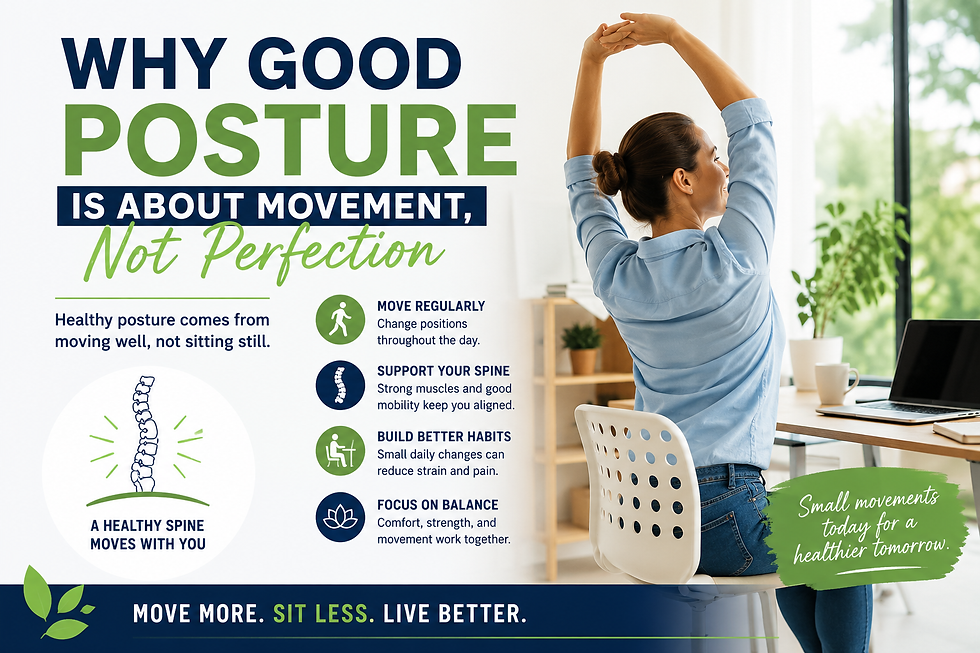
Taking posture breaks
Strengthening neck stabilizers
Managing stress
Periodic spinal mobility checks
Upper cervical care often works best as part of a comprehensive spinal health approach.
Final Thoughts
Chronic headaches are not always just “stress.”
Upper cervical alignment plays a significant role in neck mechanics and nervous system communication.
When joint dysfunction contributes to recurring tension, correcting alignment may reduce frequency and intensity.
For Salt Lake City residents experiencing persistent headaches, understanding the structural component may be the missing piece.
Spinal health is about more than pain relief — it’s about restoring balance so the body can function efficiently.


Comments