How Chiropractic Care May Help Support Mobility as You Age

How Chiropractic Care Fits Into Healthy Aging

As people age, it's common to notice gradual changes in flexibility, joint mobility, muscle balance, and posture. While these changes are a normal part of aging, they can sometimes make everyday activities feel more challenging.
Chiropractic care focuses on evaluating the musculoskeletal system and may be one component of a broader approach to supporting mobility and function. Depending on an individual's needs, a chiropractor may assess spinal and joint movement, posture, muscle balance, and movement patterns to develop an appropriate treatment plan.
Many people seek chiropractic care to help manage musculoskeletal conditions such as back pain, neck pain, or joint stiffness. Treatment may also include recommendations for stretching, strengthening exercises, posture improvement, ergonomic changes, and lifestyle habits that support long-term movement.
Chiropractic Care and Maintaining Mobility
Maintaining mobility is one of the primary goals of healthy aging. Comfortable movement makes everyday activities—walking, climbing stairs, gardening, golfing, hiking, and spending time with family—more enjoyable.
For individuals experiencing musculoskeletal discomfort or reduced joint mobility, chiropractic care may help improve joint motion and support overall function when incorporated into a comprehensive treatment plan. Every person's situation is unique, which is why an individualized evaluation is important.
Rather than focusing solely on symptom relief, many chiropractors also educate patients about:
Proper posture
Body mechanics
Balance exercises
Core strengthening
Flexibility
Safe lifting techniques
Home stretching programs
Lifestyle habits that support spinal health
This educational approach can help patients become more active participants in maintaining their musculoskeletal health.
Many adults discover that staying active becomes easier when they address movement limitations early. If you're interested in learning more about professional spinal care that supports mobility and healthy movement in Salt Lake City, Canada Chiropractic provides information about conservative approaches to improving spinal function and overall musculoskeletal health.
Chiropractic Care as Part of a Preventive Wellness Strategy
Many people think of chiropractic care only after pain develops. However, some individuals choose to include chiropractic care as part of their overall wellness routine, along with regular exercise, strength training, healthy nutrition, quality sleep, and preventive medical care.
Although chiropractic care is not a substitute for primary medical care, it can play a role in helping people manage certain musculoskeletal conditions and maintain comfortable movement throughout life.
The goal is not simply to reduce discomfort but to help people continue participating in the activities they enjoy as they grow older.
Healthy Movement Is One of the Best Investments You Can Make
Growing older doesn't automatically mean giving up the activities you enjoy. Many people continue hiking, traveling, gardening, golfing, cycling, playing with grandchildren, and pursuing active lifestyles well into their later years. One of the biggest factors that helps make this possible is maintaining mobility.
Mobility is more than flexibility. It includes strength, balance, coordination, joint movement, posture, and confidence in your body's ability to move comfortably throughout the day.
While some natural changes occur as we age, staying active and caring for your musculoskeletal health can help support independence and quality of life for years to come.
What Happens to the Body as We Age?
Aging affects everyone differently, but several common changes may gradually occur over time.
Many adults notice:
Reduced flexibility
Stiffer joints
Decreased muscle mass
Slower recovery after activity
Changes in balance
Reduced endurance
Less joint lubrication
These changes are normal, but they are often influenced by lifestyle habits as much as age itself.
Remaining physically active can help slow many of these changes.
Mobility Supports Independence
One of the greatest benefits of maintaining mobility is preserving independence.
Simple daily activities such as:
Walking the dog
Climbing stairs
Carrying groceries
Traveling
Playing with grandchildren
Household chores
Gardening
all require coordinated movement between the muscles, joints, and nervous system.
Maintaining mobility helps make these everyday activities easier and more enjoyable.
The Importance of Strength
Muscle strength naturally declines with age if it isn't maintained.
Fortunately, resistance exercise has been shown to help people of nearly every age improve strength and function.
Simple exercises using body weight, resistance bands, or light weights can support:
Better posture
Improved balance
Easier movement
Greater confidence
Reduced fatigue during daily activities
Strength training doesn't need to be intense to be beneficial.
Balance Matters More Than Many People Realize
Falls become more common as people grow older, making balance an important part of healthy aging.
Balance depends on several systems working together:
Vision
Inner ear function
Muscle strength
Joint mobility
Coordination
Activities such as walking, tai chi, yoga, and balance exercises can help maintain stability.
Flexibility Keeps the Body Moving Comfortably
Healthy flexibility allows joints to move through comfortable ranges of motion.
Gentle stretching may help reduce feelings of stiffness after sitting, driving, or sleeping.
Areas that commonly benefit from stretching include:
Calves
Hamstrings
Hip flexors
Chest
Shoulders
Upper back
Regular stretching is often most effective when performed consistently rather than occasionally.
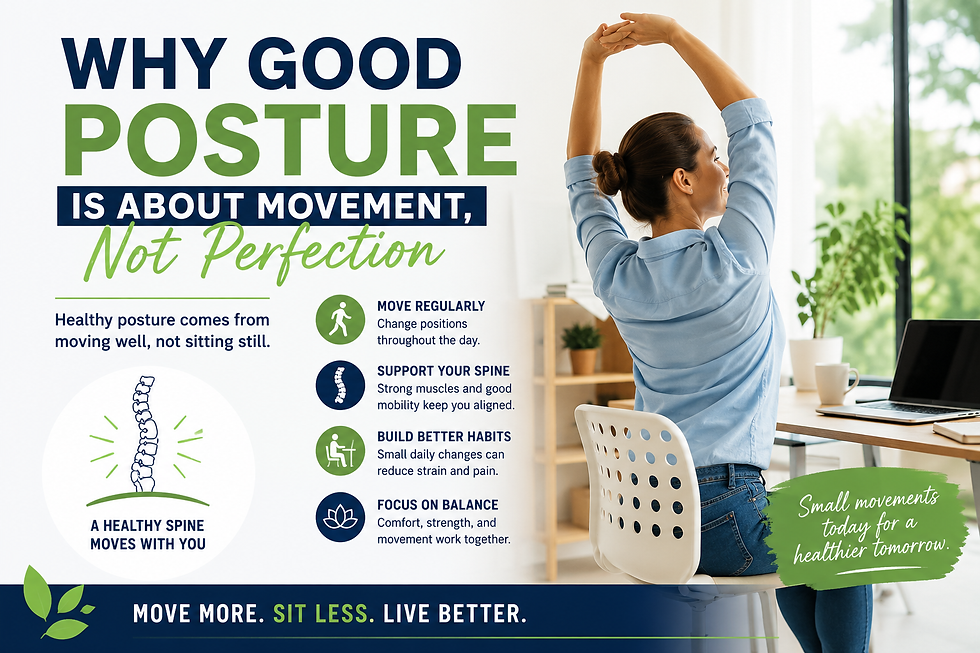
Good Posture Supports Efficient Movement
Posture naturally changes throughout life.
Many adults develop forward shoulders or forward head posture after years of desk work, driving, or smartphone use.
Maintaining strength throughout the core and upper back can help support comfortable posture while reducing unnecessary muscle fatigue.
Rather than trying to maintain a perfectly rigid posture, focus on moving regularly and avoiding prolonged static positions.
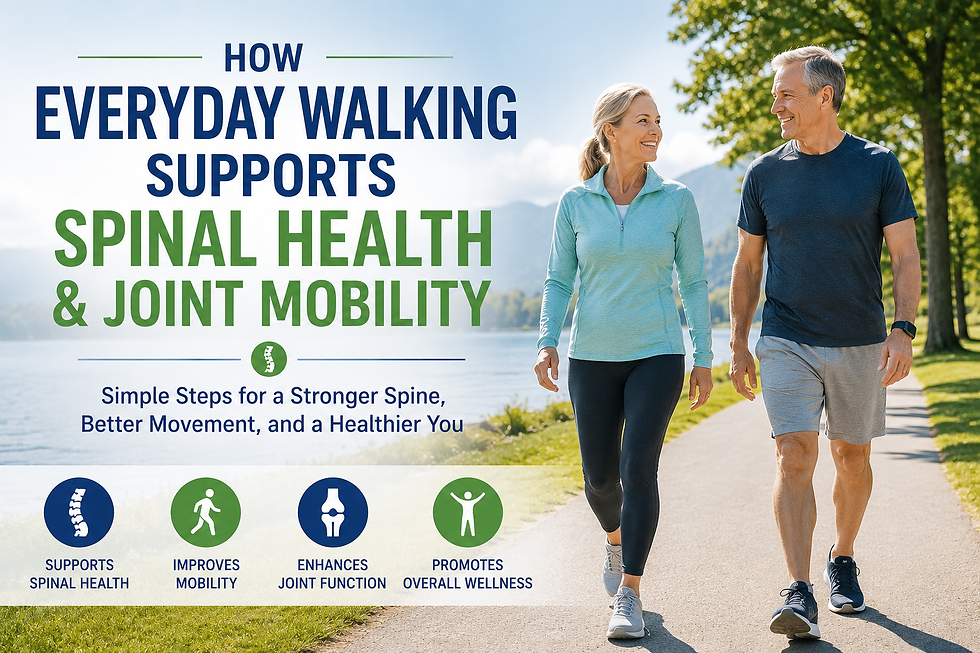
Walking Remains One of the Best Exercises
Walking requires no special equipment and offers numerous benefits.
Regular walking may support:
Cardiovascular health
Joint mobility
Balance
Bone health
Muscle endurance
Mental well-being
Even short daily walks can become an important part of maintaining long-term mobility.
Sleep and Recovery Matter Too
Recovery becomes increasingly important with age.
Quality sleep gives muscles and connective tissues time to recover from daily activity.
Helpful habits include:
Maintaining a regular sleep schedule
Choosing supportive bedding
Staying physically active during the day
Limiting screen time before bed
Good recovery supports consistent movement.
Nutrition Plays a Supporting Role
Healthy movement also depends on proper nutrition.
A balanced diet that includes adequate protein, fruits, vegetables, whole grains, and hydration supports muscle function and overall wellness.
Nutrition and physical activity work together to help maintain strength and mobility.
Listening to Your Body
Some soreness after activity is normal, especially when beginning a new exercise routine.
However, persistent discomfort, swelling, numbness, or changes in function deserve evaluation by a qualified healthcare professional.
Addressing concerns early may help people remain active longer.
Building Healthy Habits Over Time
Healthy aging isn't about dramatic lifestyle changes.
Instead, focus on consistent daily habits:
Stay active.
Walk often.
Stretch regularly.
Build strength.
Practice balance exercises.
Sleep well.
Eat nutritious foods.
Stay socially engaged.
Continue learning new skills.
Enjoy activities you love.
Small habits practiced consistently often produce meaningful long-term benefits.
Maintaining flexibility, balance, and comfortable movement often requires a combination of regular exercise, healthy lifestyle habits, and professional guidance when needed. To learn more about the services available, visit Canada Chiropractic in Salt Lake City for chiropractic care focused on long-term spinal wellness and discover how individualized care plans may help support an active lifestyle.
Final Thoughts
Growing older doesn't mean slowing down—it means adapting wisely and continuing to care for your body. By staying physically active, maintaining strength and flexibility, prioritizing balance, and developing healthy daily habits, you can support comfortable movement and independence for many years to come.
The goal isn't simply to add years to life, but to add life to those years through healthy movement, confidence, and continued participation in the activities that matter most.

Comments